.png)
Long-Term Maintenance Strategies
The first few months of changing your relationship with alcohol might feel intense: you're hyper-focused, tracking everything, and working hard through challenges. But sustainable change isn't about maintaining that level of intensity forever.
Think of it more like switching from manual to automatic transmission. Early on, you're consciously managing every gear shift. Over time, the process becomes smoother and requires less active effort.
Let's talk about how to build a life where healthier patterns around alcohol become your new default, and how naltrexone supports you in the long run.
Why the Initial Momentum Fades
There's science behind why early motivation doesn't last forever. When you first start changing behavior, your brain releases dopamine (a chemical messenger that creates feelings of motivation and reward) in response to novelty and goal-directed action. You feel motivated, energized, purposeful.
But dopamine responds to newness and challenge. Once a behavior becomes routine, that neurochemical boost naturally fades.
This is Actually Good News
This isn't failure. It's your brain doing exactly what it's designed to do: make repeated behaviors automatic to conserve energy. The key is building systems that run more on autopilot rather than relying on willpower or motivation alone.
How Naltrexone Keeps Working Long-Term
Naltrexone keeps working even when you stop thinking about it. By blocking opioid receptors, the brain's receptors that respond to pleasure and reward, it continues to reduce the appeal of drinking. Over time, this creates a process where your brain gradually unlearns the association between drinking and pleasure.
The Long-Term Data
Studies show that people who stay on naltrexone for 12 months or longer maintain significantly lower drinking levels compared to those who stop after a few months. The medication provides a consistent foundation while you build behavioral skills and new habits on top of it.
Naltrexone is doing its work quietly in the background, making everything else easier.
Building Flexible Systems
Rigid rules create all-or-nothing thinking: you're either perfect or you've failed. Instead, build flexible frameworks that adapt to real life.
Practical Strategies
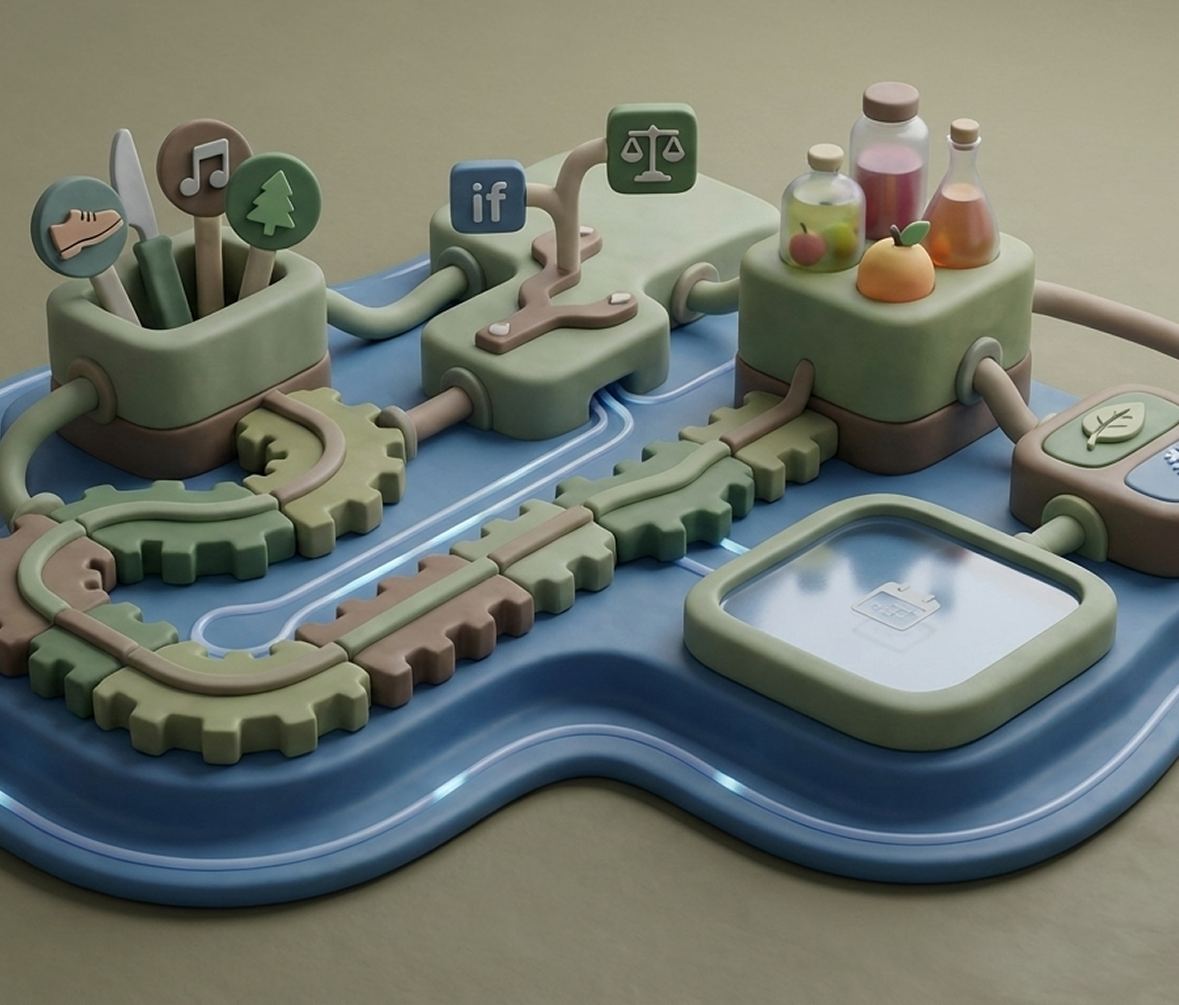
- Build a rotation of reliable coping tools. When stress hits, have 3-4 strategies ready: going on a 10-minute walk, calling a specific friend, or having a specific song or playlist ready that shifts your mood. Having multiple options prevents any single tool from feeling stale. Keep a list of these things that help and add to it frequently.
- Create "if-then" plans for predictable challenges. Research shows that planning ahead ("If X happens, then I will do Y") dramatically increases follow-through. For example: "If I feel anxious on Friday evening, then I will take a 15-minute walk before deciding anything else."
- Identify 3-5 go-to non-alcoholic drinks you genuinely enjoy. Your brain needs positive alternatives, not just absence. Stock them consistently so you always have appealing options.
These systems can make healthier choices the easier choice.
The Power of Regular Reflection
To start off, set aside 30 minutes each week, preferably at the same time, for honest assessment. What's working? What feels harder than it did? What needs adjusting?
Life circumstances change. Regular weekly, monthly, and quarterly reflection is the fertilizer we need for the growth that we are looking to achieve. A strategy that worked in one season might not fit your current reality. The routine that felt sustainable in summer might feel impossible in winter, so you may need to adapt.
Track the Inputs, Not Just Outcomes
Focus on the behaviors that lead to success: Are you taking your naltrexone consistently? Are you using your coping tools? Are you sleeping adequately? These daily practices predict long-term outcomes better than obsessing over drink counts.
Naltrexone provides consistent support by reducing alcohol's appeal in the background. Your if-then plans, coping tools, and non-alcoholic alternatives provide the practical structure. Regular reflection helps you adapt as circumstances change. Together, these tools create a life where healthier choices can come more naturally, creating sustainable patterns that support the life you're building.